
- DESTINATIONS
- HOLIDAY PACKAGES
- HOTELS
- TRAVEL GUIDES
- EXPERIENCES
- ABOUT US
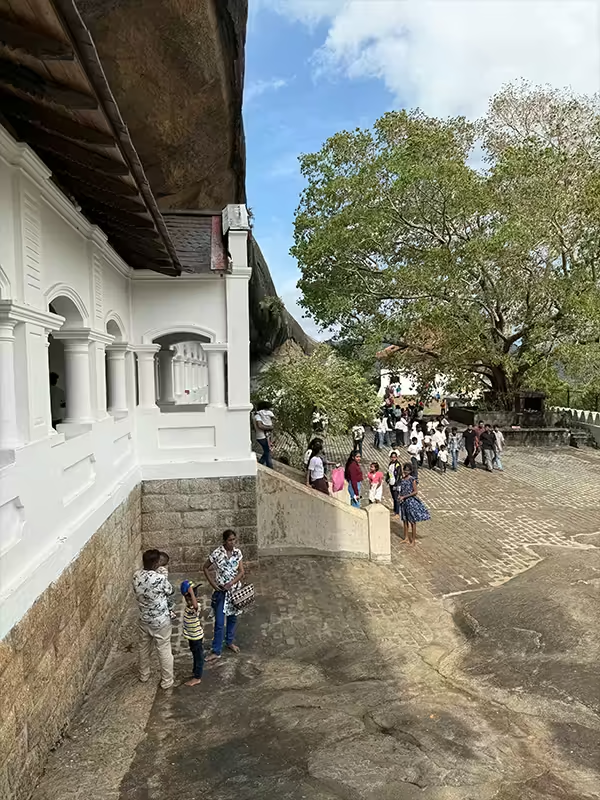
The Dambulla Cave Temple, also known as the Golden Temple of Dambulla, is one of Sri Lanka’s most remarkable cultural and spiritual landmarks. Carved into a towering granite outcrop in central Sri Lanka, this UNESCO World Heritage Site preserves South Asia’s most extensive collection of ancient Buddhist murals and statues.
For travellers exploring Sri Lanka’s Cultural Triangle, Dambulla is an essential stop — combining sacred history, breathtaking cave art and panoramic countryside views.
Where is Dambulla Cave Temple Located?
The temple is located in Dambulla, in Sri Lanka’s Central Province, within the famous Cultural Triangle region.
It sits conveniently between:
👉 Explore our full Dambulla Destination Guide for accommodation and itinerary ideas.
Key Facts About Dambulla Cave Temple
-
Location: Dambulla, Central Province, Sri Lanka
-
Established: 1st century BCE
-
UNESCO World Heritage Status: Inscribed in 1991
-
Number of Caves: Five major sanctuaries
-
Religion: Theravāda Buddhism
-
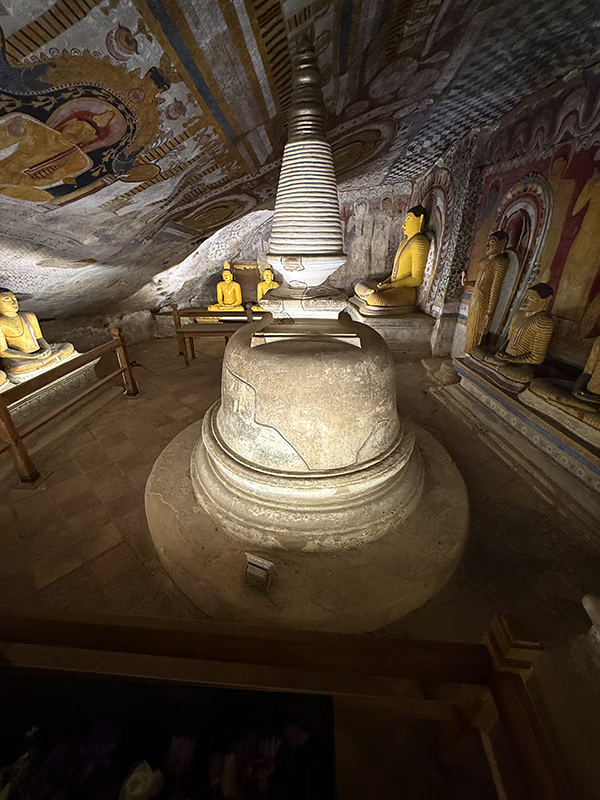
Artworks: Over 150 Buddha statues
-
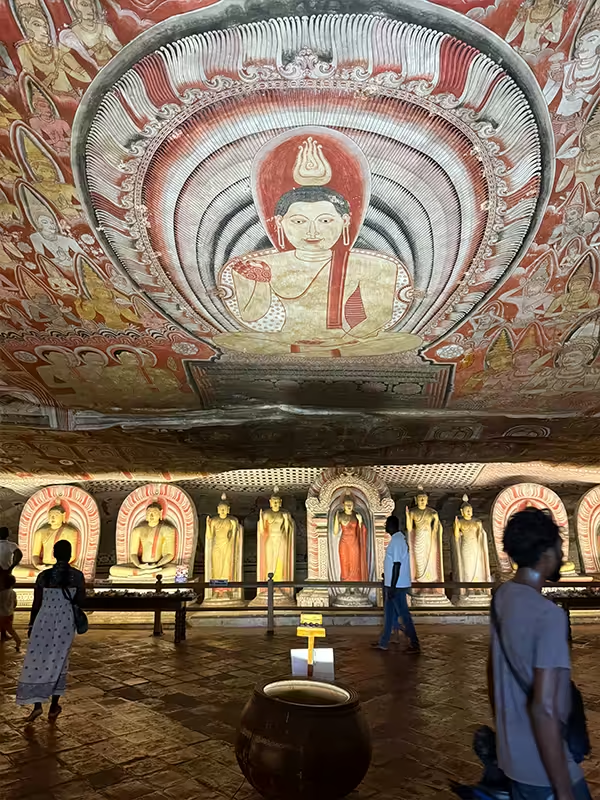
Murals Coverage: Approximately 2,100 square metres
Historical Background
The cave shrines date back to the 1st century BCE, during the reign of King Valagamba (Vattagamani Abhaya). While exiled from Anuradhapura, the king sought refuge in these caves. After reclaiming his throne, he transformed the site into a temple in gratitude.
Over the centuries, particularly during the 12th and 18th centuries, successive rulers expanded and restored the complex. Elaborate frescoes were added, and hundreds of Buddha statues were installed, establishing Dambulla as a major pilgrimage site.
Today, it remains Sri Lanka’s best-preserved rock temple complex.
Architecture & Artistic Masterpieces
The temple complex consists of five principal caves:
-
Devaraja Lena (Cave of the Divine King)
-
Maharaja Lena (Cave of the Great Kings)
-
Maha Alut Viharaya (Great New Temple)
-
Paccima Viharaya
-
Devana Alut Viharaya
Inside, visitors will discover:
-
Over 150 Buddha statues in seated, standing and reclining poses
-
Intricate ceiling murals depicting scenes from the life of Buddha
-
Paintings illustrating Sri Lankan royal history
-
Detailed Kandyan-era artistic influences
The murals, covering approximately 2,100 m², are among the most significant surviving examples of ancient Buddhist art in South Asia.
Cultural & Religious Significance
Galle enjoys a tropical coastal climate.
-
December to April – Best beach weather and ideal sightseeing conditions
-
May to September – Southwest monsoon with occasional rain
-
October & November – Inter-monsoon showers
The dry season from December to March is the most popular time to visit.
Visiting Dambulla Cave Temple
What to Expect
-
A moderate uphill climb (approx. 15–20 minutes)
-
Stunning countryside views from the summit
-
Temple etiquette requirements (modest dress)
-
Removal of shoes before entering caves
Dress Code
When visiting sacred sites such as Dambulla and the Temple of the Tooth in Kandy:
-
Shoulders and knees must be covered
-
Shoes must be removed
-
Hats should not be worn inside
 See our Sri Lanka Travel Tips Guide for more cultural advice.
Conservation & Preservation
The site is managed by Sri Lanka’s Department of Archaeology. Conservation challenges include:
-
Humidity damage
-
Visitor foot traffic
-
Pigment fading in ancient murals
Ongoing preservation programs ensure the temple’s sacred atmosphere and priceless artworks remain protected for future generations.
How to Include Dambulla in Your Sri Lanka Itinerary
Most Australian travellers visit Dambulla as part of a Cultural Triangle itinerary that combines:
-
Sigiriya
-
Polonnaruwa
-
Anuradhapura
-
Safari experiences in Yala
Our tailor-made tours ensure comfortable transport and expert guides who bring the temple’s history to life.
Explore our Sri Lanka Holiday Destinations page to plan your journey.
Why Dambulla Cave Temple is a Must-See in Sri Lanka
 UNESCO World Heritage Site
Over 2,000 years of history
One of Asia’s most impressive Buddhist mural collections
Essential Cultural Triangle highlight
Deep spiritual and artistic significance
Dambulla is more than an attraction — it is a cornerstone of Sri Lanka’s identity.
For more information on the Dambulla Cave Temple, call our Sri Lanka travel experts now:
Call 1300 799 758 now.
Available to chat 7 days a week!