
- DESTINATIONS
- HOLIDAY PACKAGES
- HOTELS
- TRAVEL GUIDES
- EXPERIENCES
- ABOUT US
The Temple of the Sacred Tooth, known locally as Sri Dalada Maligawa, is Sri Lanka’s most revered Buddhist shrine and one of the most significant religious sites in the world. Located in the hill capital of Kandy, this sacred temple houses what is believed to be the left canine tooth of the Buddha — a relic that has shaped Sri Lanka’s religious, political and cultural identity for over 1,600 years.
For Australian travellers exploring Sri Lanka’s Cultural Triangle and hill country, visiting the Temple of the Tooth is an essential cultural experience.
Why Visit the Temple of the Sacred Tooth?
-
UNESCO World Heritage Site (Part of the Sacred City of Kandy – 1988)
-
Houses the sacred tooth relic of the Buddha
-
Centre of Sri Lanka’s Buddhist heritage
-
Home of the world-famous Esala Perahera festival
-
Daily traditional puja ceremonies with drumming and chanting
This is not simply a historic building — it is a living place of worship and national significance.
History & Cultural Significance
The story of the sacred tooth relic begins in 4th-century India. According to legend, Princess Hemamali and Prince Dantha smuggled the relic from the Kingdom of Kalinga to Sri Lanka, hiding it in the princess’s hair to protect it from destruction during war.
Over centuries, the relic was moved between royal capitals for protection. In the late 16th century, King Vimaladharmasuriya I enshrined it in Kandy, where it remains today.
Historically, possession of the relic symbolised the divine right to rule Sri Lanka. The temple therefore became both a spiritual and political centre, linking Buddhism and monarchy.
Despite colonial invasions, an armed attack in 1989 and a bombing in 1998, the temple has been carefully restored each time — a testament to its enduring importance.
Architecture & Layout
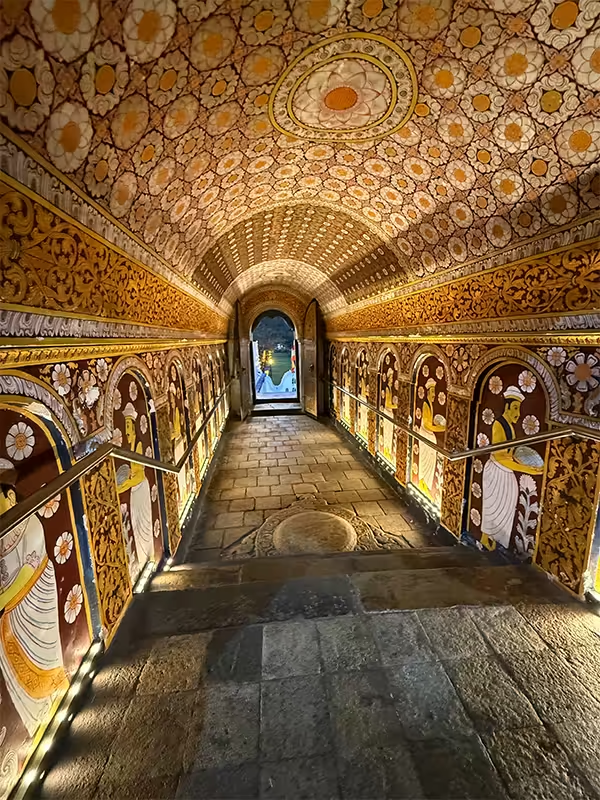
Built in classical Kandyan architectural style, the temple complex sits beside picturesque Kandy Lake and forms part of the former royal palace complex.
Key architectural highlights include:
The Golden Roof Shrine
The two-storey main shrine features white stone walls, intricate wood carvings and tiered golden roofing.
The Inner Sanctum (Handun Kunama)
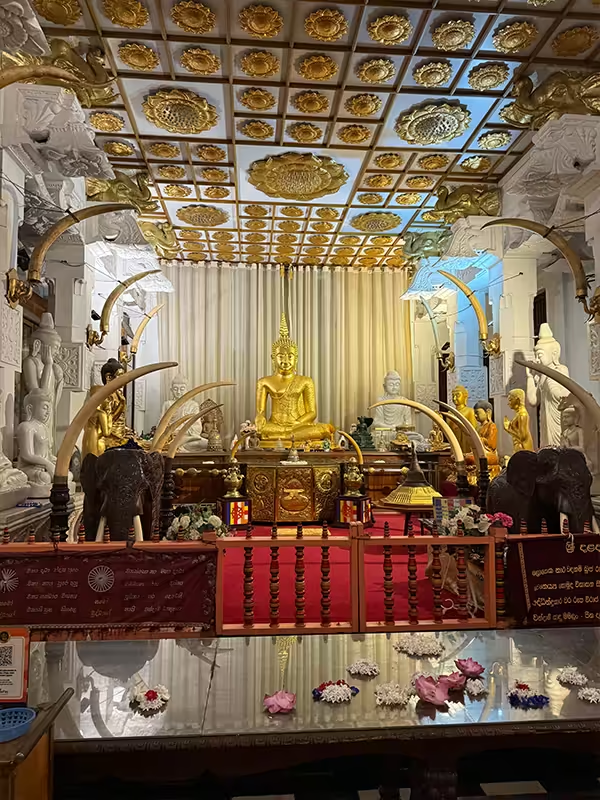
The sacred relic is enshrined within a golden lotus-shaped casket, which sits inside seven nested jewelled reliquaries. The relic itself is never directly visible to the public.
Pattirippuwa (Octagonal Tower)
Originally a royal audience hall, this iconic tower now houses ancient palm-leaf manuscripts and is one of Kandy’s most photographed landmarks.
Royal Palace Complex & Museums
Surrounding the temple are smaller shrines, museums, and remnants of the Kandyan royal palace.
Daily Rituals & Ceremonies
The Temple of the Tooth remains an active place of worship.
Three daily pujas take place:
-
Morning (around 5:30am)
-
Midday
-
Evening
During these ceremonies, traditional drumming, chanting and floral offerings fill the temple with sound, incense and devotion.
On Wednesdays, monks perform the Nanumura Mangallaya, a ritual bathing ceremony using scented water believed to have healing properties.
Visitors can observe these rituals respectfully — a powerful cultural experience for travellers.
Esala Perahera – Sri Lanka’s Grand Festival
Each July or August, the Temple of the Tooth anchors the spectacular Esala Perahera, one of Asia’s most magnificent religious festivals.
Over ten nights, Kandy’s streets come alive with:
-
Decorated elephants (including one carrying a replica of the relic casket)
-
Traditional Kandyan dancers
-
Fire performers
-
Whip-crackers and drummers
-
Torch-lit processions
The festival symbolises devotion, national pride and centuries-old tradition.
If travelling during this period, accommodation in Kandy should be booked well in advance.
Visiting the Temple Today
Location: Kandy, Central Province
Opening Hours: 5:30am – 8:00pm daily
Dress Code: Modest clothing required (shoulders and knees covered)
Shoes: Must be removed before entry
Photography: Restricted inside the inner shrine
Entry Fee: Approx. LKR 1,500 for foreign visitors
For Australians visiting Sri Lanka, the temple is typically included in Cultural Triangle and Hill Country itineraries, often combined with:
-
👉 Nuwara Eliya in the tea highlands
-
👉 Ella for scenic rail journeys
You can explore these destinations further in our Sri Lanka Destinations Guide and Places to See sections.
Why the Temple of the Tooth Is a Must-See
Beyond its historical and architectural beauty, the Temple of the Sacred Tooth represents the living soul of Sri Lanka. It embodies centuries of faith, resilience and national identity.
Whether you are interested in history, culture, photography or spiritual experiences, this sacred site offers an unforgettable insight into Sri Lanka’s Buddhist heritage.
Plan Your Sri Holiday With BlueSun Travel now
Our tailor-made itineraries for Australian travellers can include:
-
Guided temple visits
-
Esala Perahera festival packages
-
Cultural Triangle tours
-
Hill Country and tea plantation stays
-
Private chauffeur-driven journeys
Explore more:
Let Best Sri Lanka Holidays by BlueSun Travel help you experience the spiritual heart of Sri Lanka in comfort and style.
For more information on the Temple of the Sacred Tooth, call our Sri Lanka travel experts now:
Call 1300 799 758 now.
Available to chat 7 days a week!